
Gemini said
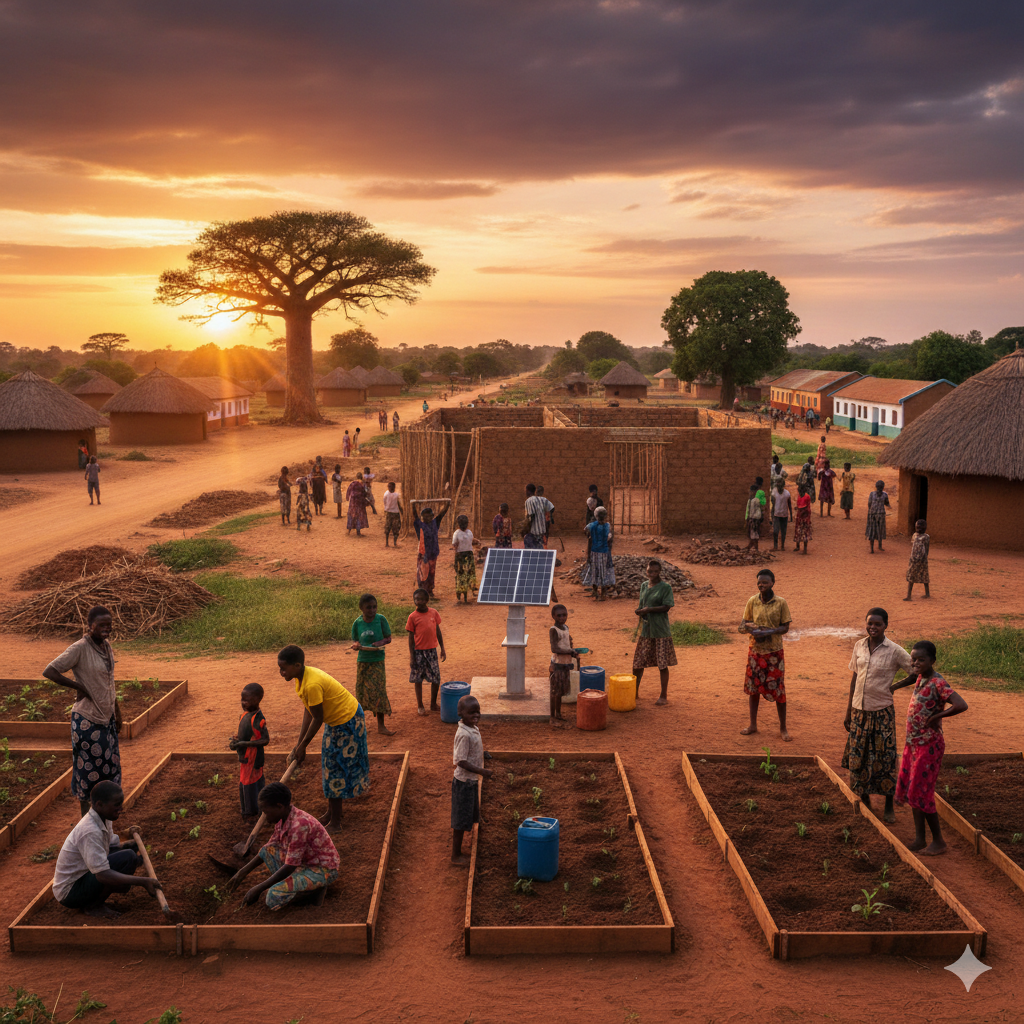
While images of community development in Africa often highlight progress and hope, the reality on the ground is shaped by a complex web of systemic hurdles. As of 2026, one of the most pressing challenges is the financing gap, which has widened as traditional global aid declines and debt distress affects more than half of the continent’s low-income nations. This fiscal pressure often forces governments to choose between servicing international loans and investing in essential services like healthcare, education, and rural infrastructure.+1
Climate vulnerability remains a critical barrier, particularly for communities that rely on subsistence farming. Erratic rainfall, prolonged droughts, and locust invasions are no longer distant threats but seasonal realities that disrupt food security and drive internal displacement. These environmental shocks frequently reverse hard-won development gains, pushing families back into poverty just as they begin to see the benefits of new agricultural techniques or local infrastructure projects.